Frame Materials, Compared
Wood, aluminum, fiberglass, composite, vinyl, steel - the frame decides thermal performance, maintenance, landmark eligibility, and cost far more than the glass does.
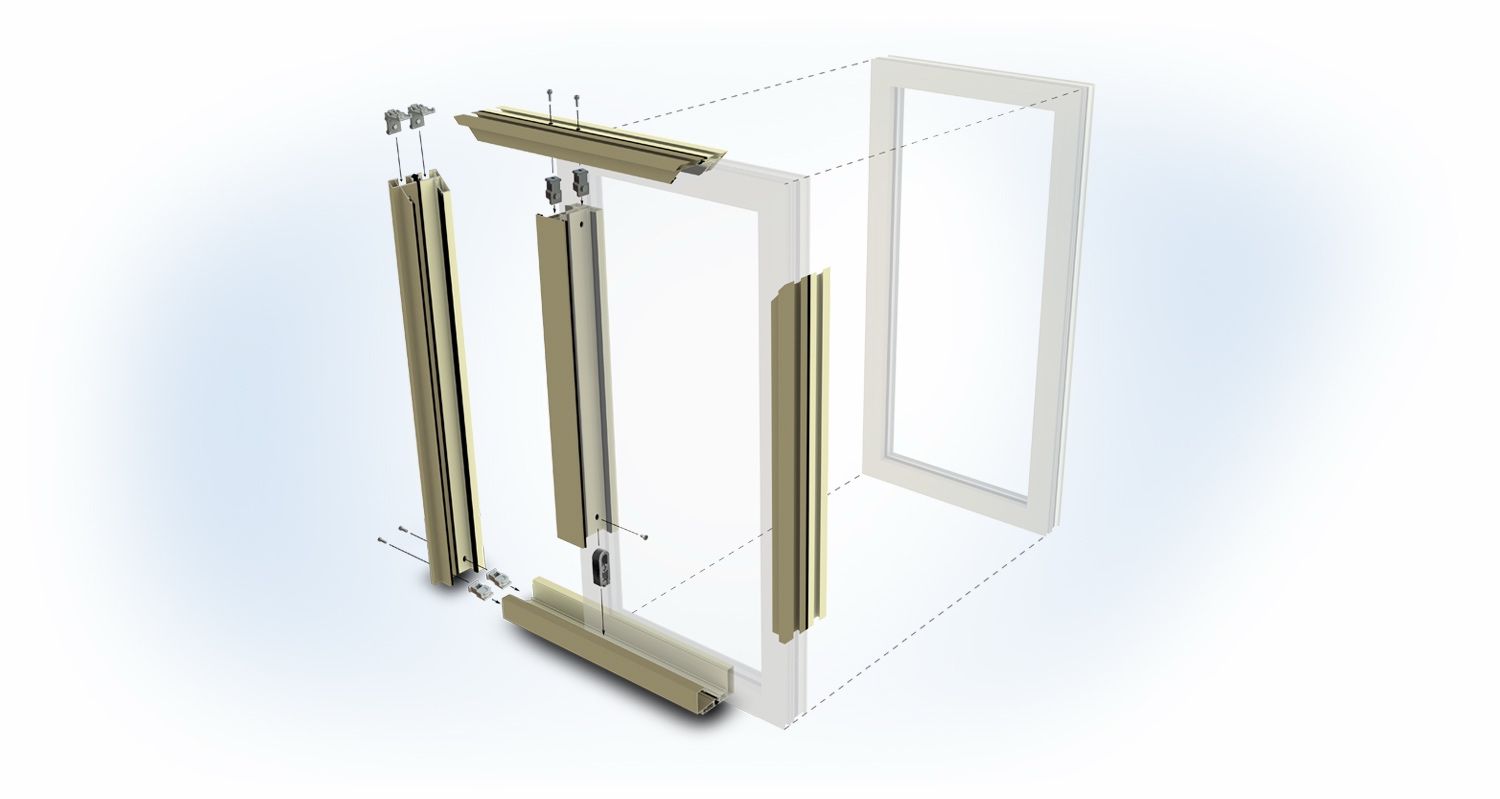
Once the opening and the window type are settled, the frame material quietly sets everything that follows: how the window performs thermally, how much maintenance it asks for, whether it’s even eligible in a landmark building, and what it costs. Across New York’s building stock, two materials do most of the work - wood, which fills the prewar and landmark buildings the city is full of, and aluminum, which dominates its commercial and high-rise residential work. The other four each earn their place in specific conditions. Here’s how the six compare, and where each one belongs.
| Material | Best for | Thermal | Maint. | Landmark | Cost |
|---|---|---|---|---|---|
| Wood | Landmark, prewar, premium | Excellent | Periodic | Often required | $$$ |
| Aluminum | Commercial, high-rise, large openings | Good | Low | Rarely | $$-$$$ |
| Fiberglass | Energy-focused, Passive House | Excellent | Minimal | Sometimes | $$$ |
| Composite | Mid-to-upper residential | Very good | Low | Sometimes | $$ |
| Vinyl (uPVC) | Budget residential, non-landmark | Good | None | No | $ |
| Steel | Fire-rated lot-line openings; historic; loft | Good | Periodic | Authentic | $$$$ |
Cost and landmark eligibility are directional - the district, approval path, and product line set the actual answer, and a lot-line condition can make a fire-rated material mandatory regardless of preference.
Wood
The traditional choice and, across New York’s prewar and landmark stock, one of the two materials you see most. It conducts heat slowly, so it performs well thermally, and it’s the only material that reads as period-correct in a landmark profile - for most Landmarks and historic-district approvals, the only one allowed. The cost is maintenance; exposed wood needs upkeep. Much of that is solved by cladding the exterior in aluminum or fiberglass, which protects the weather face while keeping a wood interior, though a fully clad unit may not satisfy a strict landmark review that requires exposed wood outside.
Aluminum
The other material you see most across the city, and the standard for commercial, high-rise, and large-format residential work: slim sightlines, the strength to carry big openings, and minimal maintenance. Aluminum does conduct heat, so a quality window frame is built with a thermal break - an insulating barrier set inside the frame that separates the interior from the exterior - which is what lets a modern aluminum window meet the energy code. The thing to confirm is simply that the system includes that barrier; it’s the difference between an aluminum window that insulates and one that doesn’t.
Fiberglass
A strong performer that’s less common in the city’s dense stock but earns its place on energy-focused work. Pultruded fiberglass expands and contracts at nearly the same rate as the glass it holds, so the seals see far less stress across decades, and it’s effectively maintenance-free. Where Passive House or long-term performance is the priority, it’s a sound choice, and the higher upfront cost is justified over the service life.
Composite & hybrid
Engineered combinations - wood or polymer cores with aluminum or fiberglass exteriors - giving a wood-grade interior with a low-maintenance weather face. Better thermal performance than plain aluminum, lower cost than all-fiberglass. A reasonable middle option for residential replacement where landmark rules don’t apply.
Vinyl (uPVC)
The budget option, and far more common in single-family and lower-cost residential than in the co-op, condo, and landmark work that defines much of the city. The material insulates well on its own and is genuinely maintenance-free. The limits matter: frames run bulkier than aluminum or steel, and vinyl isn’t accepted in landmark buildings. Where there’s no LPC constraint and cost is the driver, it does the job.
Steel
Often required, not just chosen. Where a window sits on or close to the lot line - extremely common on the city’s attached buildings - code calls for a fire-rated assembly, and the traditional answer is a steel sash with wired or fire-rated glass carrying a three-quarter-hour rating. Beyond that requirement, steel gives the slimmest sightlines of any material and is the authentic choice for buildings that originally carried steel casements and for the industrial-loft look. It’s a specialty to specify and install, and priced accordingly - but at a lot-line opening, it’s frequently the material the code decides for you.
Material settles performance, maintenance, eligibility - and sometimes, at a lot line, it’s settled for you. What material can’t do on its own is guarantee the result; that comes down to how the unit is sealed into the wall.
Planning a window project?
Tell us about your building and we’ll come back with the specifics - the right type, frame, and spec for your openings, and a clear path to permit and install.
Request a Free Estimate →