The Difference Between a “Window Replacement Spec” and a Performance Spec
Two projects can list the same window on paper and get very different results. What a real performance spec defines - and where the cost shows up when it’s missing.
Not all window specs are written the same way. And that difference shows up later - in performance, in coordination, and in cost. A replacement spec defines a product. A performance spec defines a system.
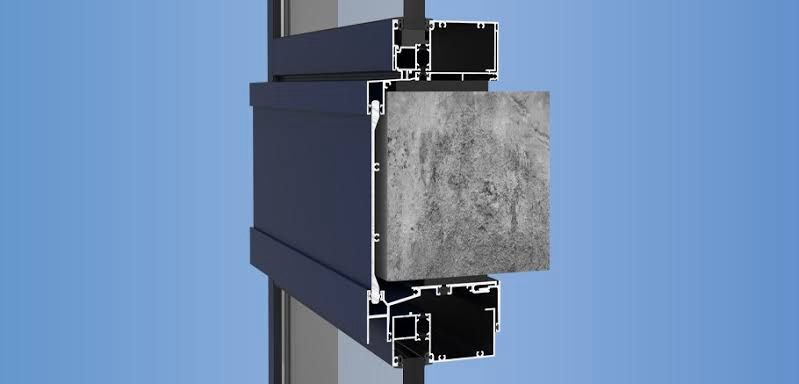
What a Typical Replacement Spec Looks Like
Most replacement specs focus on:
- Window type (double-hung, casement, etc.)
- Basic performance numbers (U-factor, SHGC)
- General material (aluminum, vinyl, etc.)
On paper, it looks complete. But it leaves out how the system actually performs once it is installed.
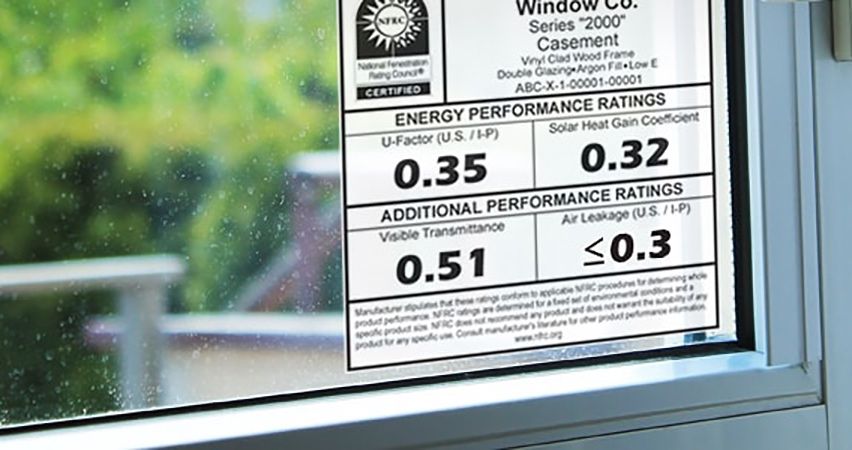
What a Performance Spec Actually Defines
A true performance spec goes further. It defines:
- Air and water performance targets
- Structural load requirements
- Anchorage strategy
- Movement accommodation (slab deflection, receptors, joints)
- Integration with the building envelope
It is not just what the window is. It is how the system is expected to behave.
Where the Cost Shows Up
When a spec is incomplete, decisions get pushed to later stages - where they are far more expensive to make:
- Field conditions drive redesign
- Anchoring and movement aren’t coordinated
- Sealant joints end up doing more than they were intended to
- Performance issues surface after installation
At that point, fixes are no longer design decisions. They are change orders.
Why This Happens
Replacement specs are often written to simplify bidding and standardize products. But buildings are not standardized - and window systems are not isolated products.
What Owners Should Understand
Two projects can carry the same window type on paper and still end up with very different outcomes, depending on:
- How movement is handled
- How the system is anchored
- How it integrates with the facade
That difference is rarely visible upfront. But it shows up over time.
The Bottom Line
A replacement spec defines a product. A performance spec defines a system. That distinction is where cost is either controlled early - or paid for later.
Have a project where this matters?
Tell us about your building and we’ll come back with the specifics - scope, performance targets, and what the engineering or installation path looks like for your case.
Request a Free Estimate →