What “2% Window Testing” Actually Means in Manufacturing
Not every window that leaves a factory is tested - but performance isn’t assumed either. What in-plant testing of ~2% of production is actually verifying.
Not every window that leaves a factory is tested. But that doesn’t mean performance is assumed. In a controlled production environment, a percentage of units are pulled for in-plant testing - a common benchmark is around 2% of production.
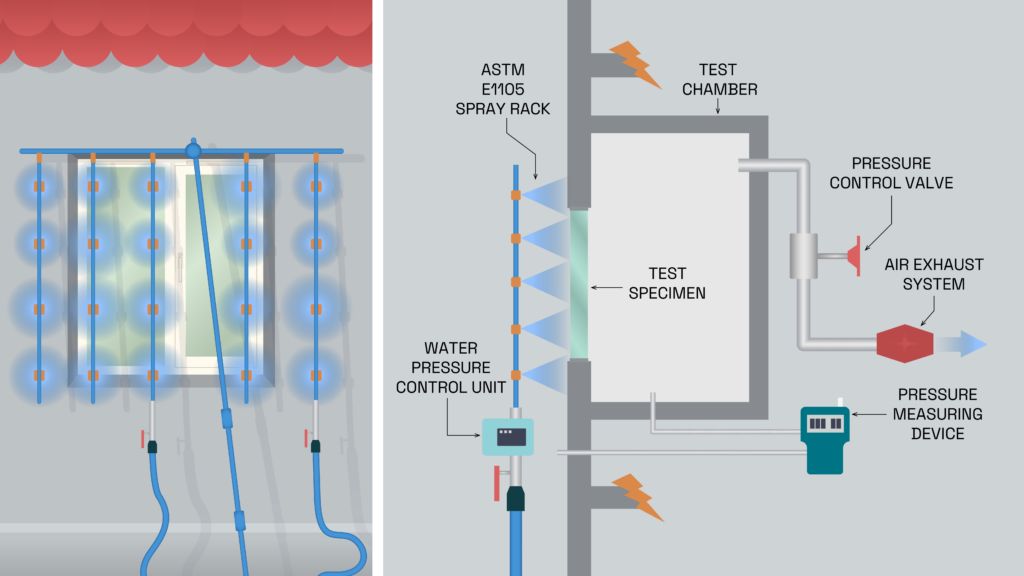
What Is 2% Testing?
During fabrication, selected units are randomly pulled and tested. This is not certification testing - it is quality-control verification. The goal is simple: confirm that production still matches the performance of the original tested system.
What Gets Tested
Depending on the manufacturer, this can include:
- Air infiltration
- Water penetration resistance
- Operational performance
- Dimensional and visual checks
This is where consistency is validated.
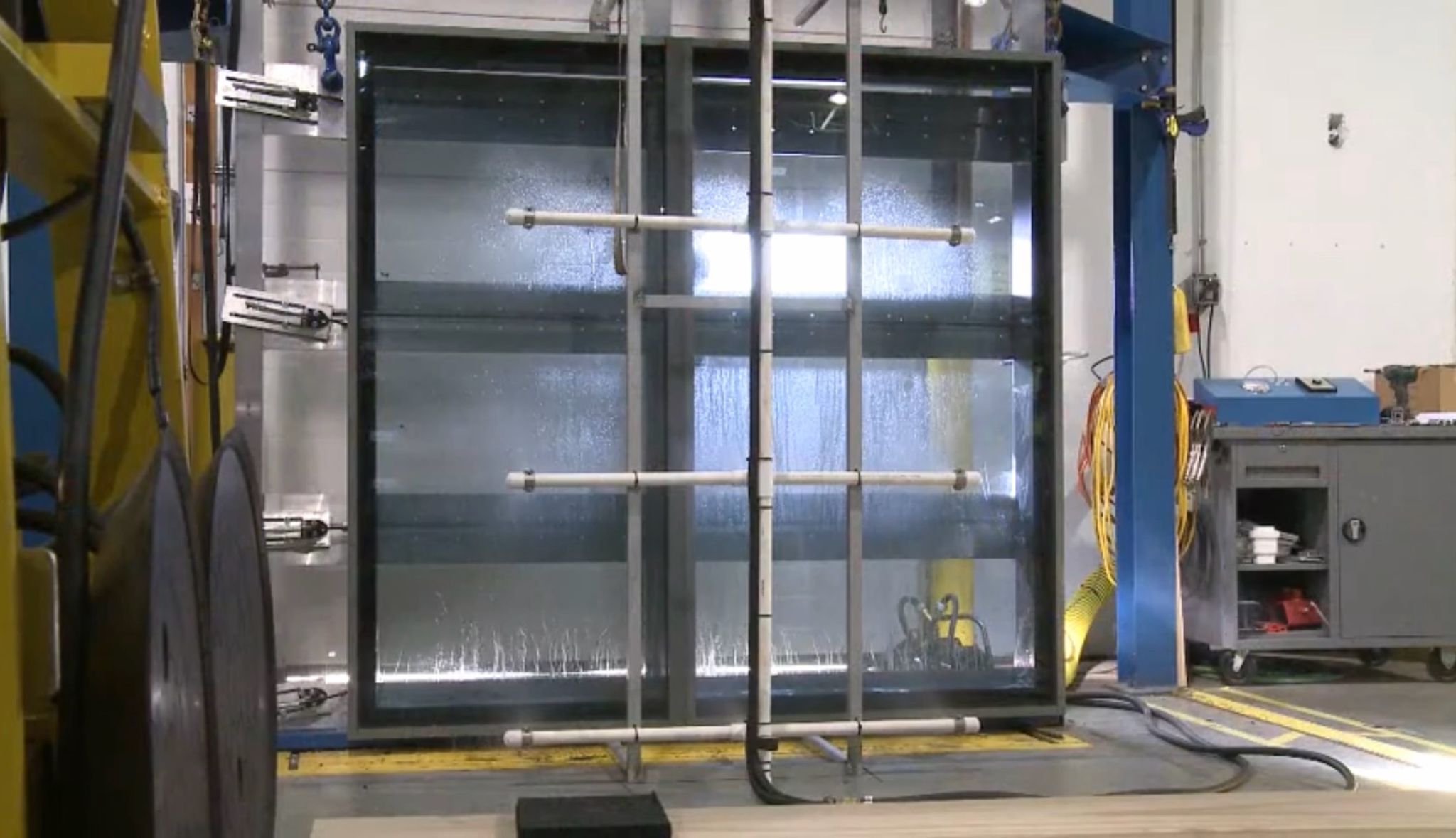
Why It Matters
Most failures are not design failures. They are production inconsistencies. Even with a strong system on paper, issues come from:
- Assembly variation
- Seal application
- Hardware alignment
- Tolerance drift
In-plant testing is how those issues get caught early.
What It Does Not Replace
This does not replace:
- Third-party certification (AAMA / ASTM)
- Field testing
- Proper installation
It is one layer of control within a much larger system.
The Bottom Line
Two window systems can look identical on paper. The difference is how consistently they are produced - and that is exactly what in-plant testing is there to verify.
Have a project where this matters?
Tell us about your building and we’ll come back with the specifics - scope, performance targets, and what the engineering or installation path looks like for your case.
Request a Free Estimate →