Head Receptors, Movement, and When Sealant Actually Moves
In multi-story systems, vertical slab movement is expected. Whether the sealant joint stays static - or becomes a working movement joint - comes down to the receptor detail.
In multi-story window systems, vertical slab movement is expected. That movement is typically handled through head receptors - designed to let the window system move up and down within the receptor without transferring load into the frame.
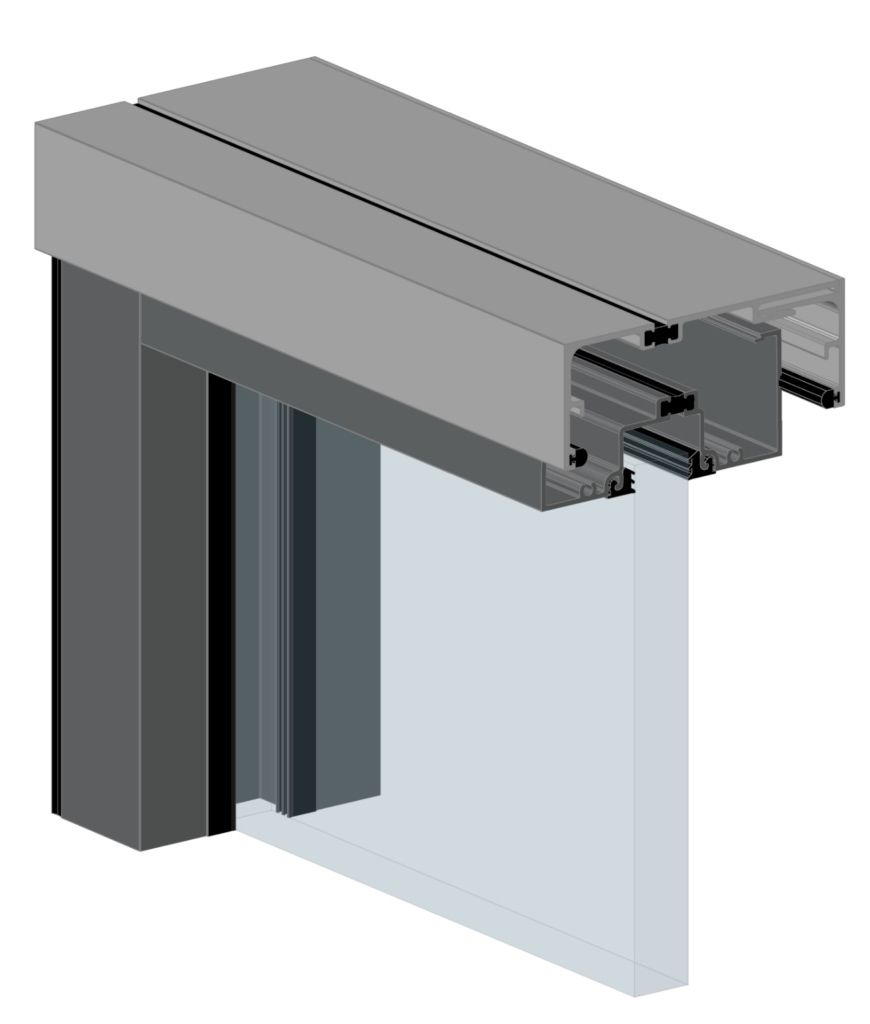
Two Different Conditions (This Is Where It Matters)
There is an important distinction in how movement gets handled:
1. The window slips within the receptor
- The system moves internally
- The frame shifts within the receptor
- The sealant joint remains largely static
2. The straps slip within the receptor (frame held in place)
- Movement is not absorbed within the frame position
- The movement is transferred to the sealant joint
That second condition is where the joint becomes active.
When Sealant Becomes a Movement Joint
In conditions where the straps are slipping, the sealant is no longer just sealing - it is now accommodating vertical movement. And if that joint is not designed for it, it will fail.
What That Requires
For sealant to perform as a movement joint, the detail has to be right:
- Backer rod must be in place
- Proper joint geometry must be maintained
- Sealant should be tooled to a concave (“hourglass”) profile
- Sealant must be low-modulus and elastic
Done correctly, that allows compression, extension, and movement without failure.
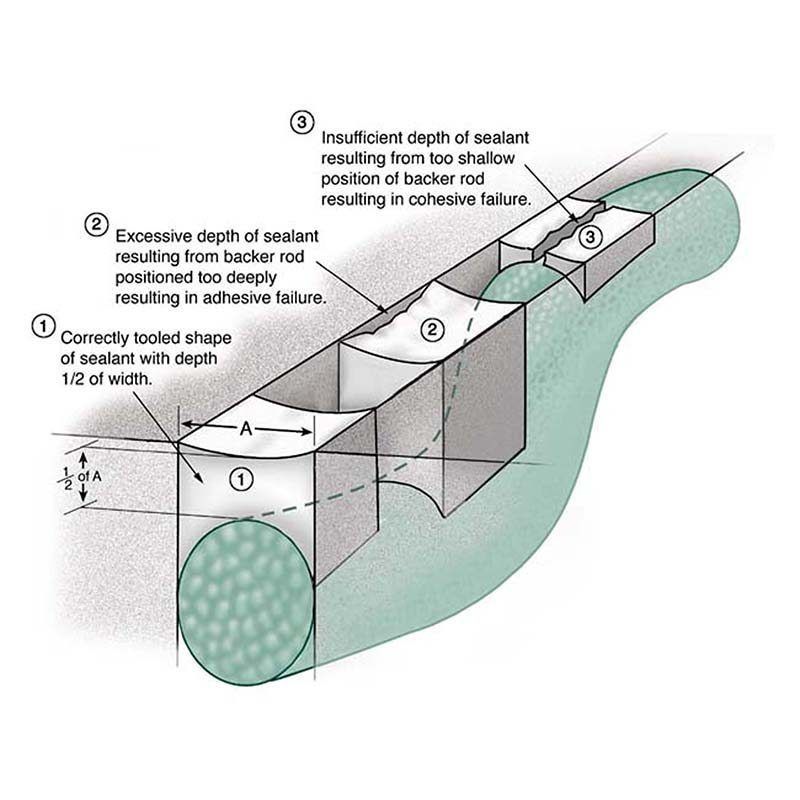
Where Failures Happen
Problems show up when:
- The wrong sealant is used (too rigid)
- No backer rod is installed
- The joint is overfilled or bonded on three sides
- Sealant is expected to perform without being designed for movement
At that point, the joint restricts movement instead of accommodating it.
The Bottom Line
Sealant should not always be taking movement - it should only move when the system forces it to. If the receptor lets the window slip freely, the joint stays stable. If it doesn’t, the sealant becomes the movement joint, and it has to be designed accordingly.
Have a project where this matters?
Tell us about your building and we’ll come back with the specifics - scope, performance targets, and what the engineering or installation path looks like for your case.
Request a Free Estimate →